Project Description
Since its first location in the project area in 2011, Khmer Association for Development (KAD) introduced its agricultural program focusing on agricultural skill and technical trainings for both its staff and community people and on direct agricultural practices including animal husbandry and crop cultivation on the farmland belonging to it. In addition, on its owned farmland, KAD has set up lots of irrigation systems by digging the water ponds, building the canal, connecting the plastic water pipes and tubes on the ground to convey water for irrigation and producing organic fertilizer from locally available raw materials. Before the preparation of this farmland, much money was expended on the purchasing of all kinds of vegetables and meat that were used to cook daily meals for community children who stayed all day in the Child Care Center. In addition, all types of meat and vegetables bought from local markets and mostly imported from both Vietnam and Thailand contained a great deal of chemical substance that badly affected the people’s health and well-being. Since many types of vegetables and meat were produced on our own, much money spent on market goods has been reduced, and the health issues have been eliminated.
In this 2024, the agricultural project initiatives “Safe Farm Produce Boost for Own Kitchen” will be taken to aim at increasing the non-chemical, self-farming production to meet a good quality food supply demand for community children leading to the reduction of much expenditure and bad impact on their health and welfare through the implementation of some activities including maintaining the already-grown or remaining crops, fruit trees and forest trees, keeping on growing forest trees and fruit trees or other crops, purchasing plastic water tube or pipe for irrigation system in the farm, carrying on producing compost and improving the vegetable farm, continuing to grow many kinds of vegetables, to raise animals, to produce animal feeds and to improve the vegetable and flower gardens in the farm, visiting other resorts or agricultural farms to get some more experience, creating an irrigation system, using the plastic water tubes on the ground, carrying on filling up the lower areas and street alongside the canal with excavated soil, continuing to fill up the dirt streets with granite and preparing new vegetable garden and vegetable beds including making roofs to cover the vegetable beds.
The expected results will be to supply our own kitchen with enough farm produce that is used to cook daily food for community children, to screen community children from various diseases that will make them feeble, to cut back on high expenditure on kitchen goods from the markets and to be able to save up for future needs or emergency.
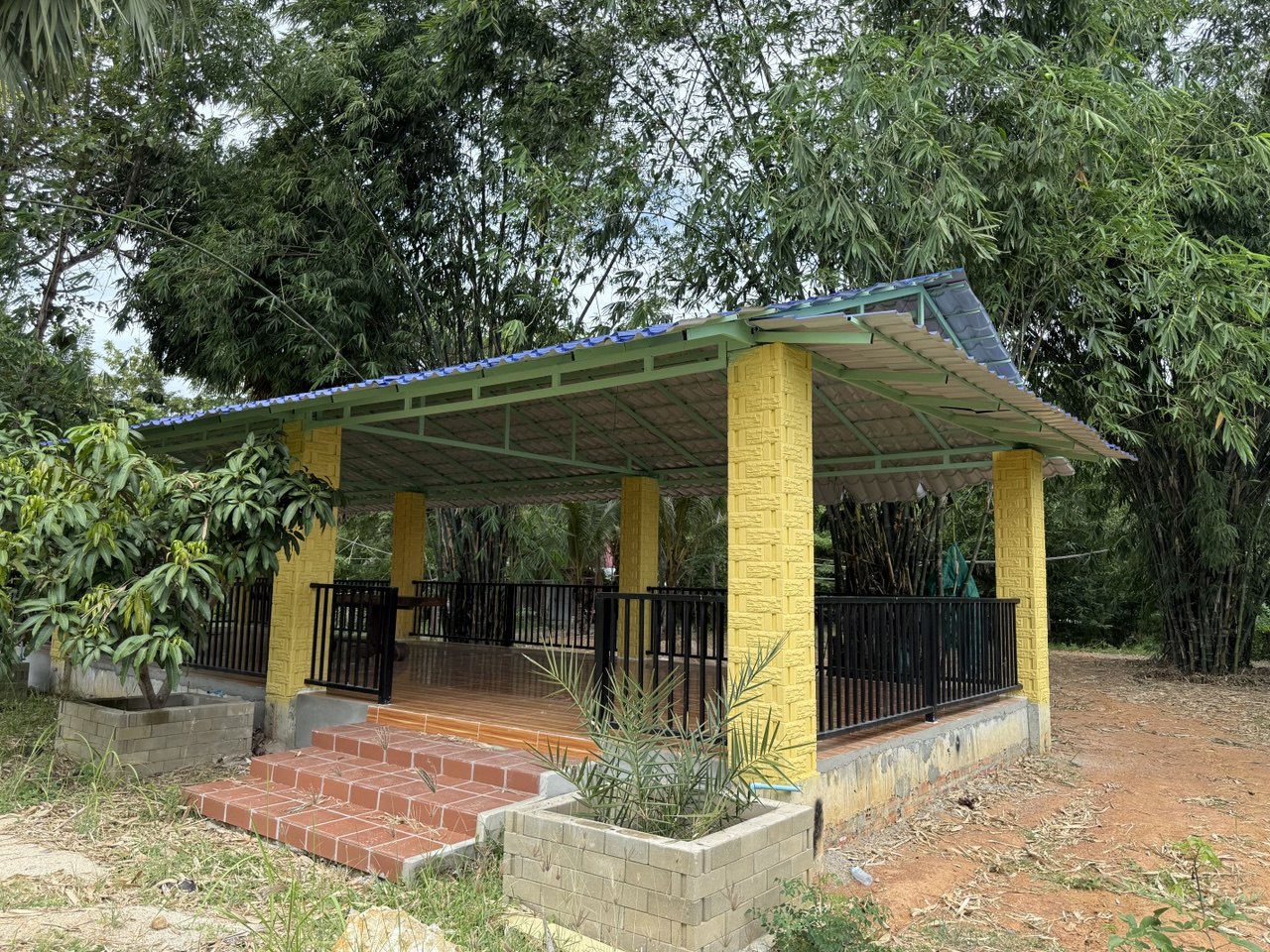
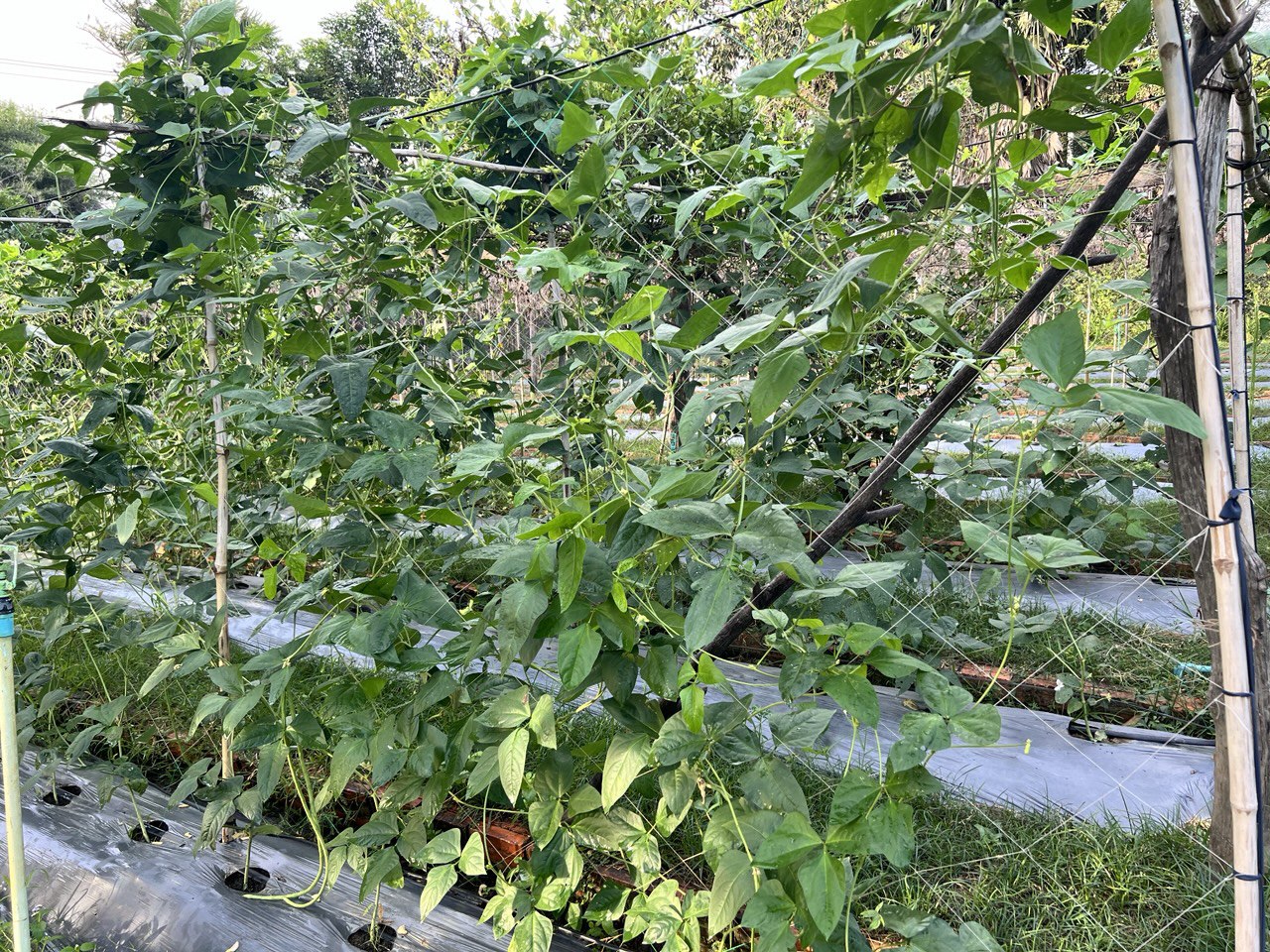
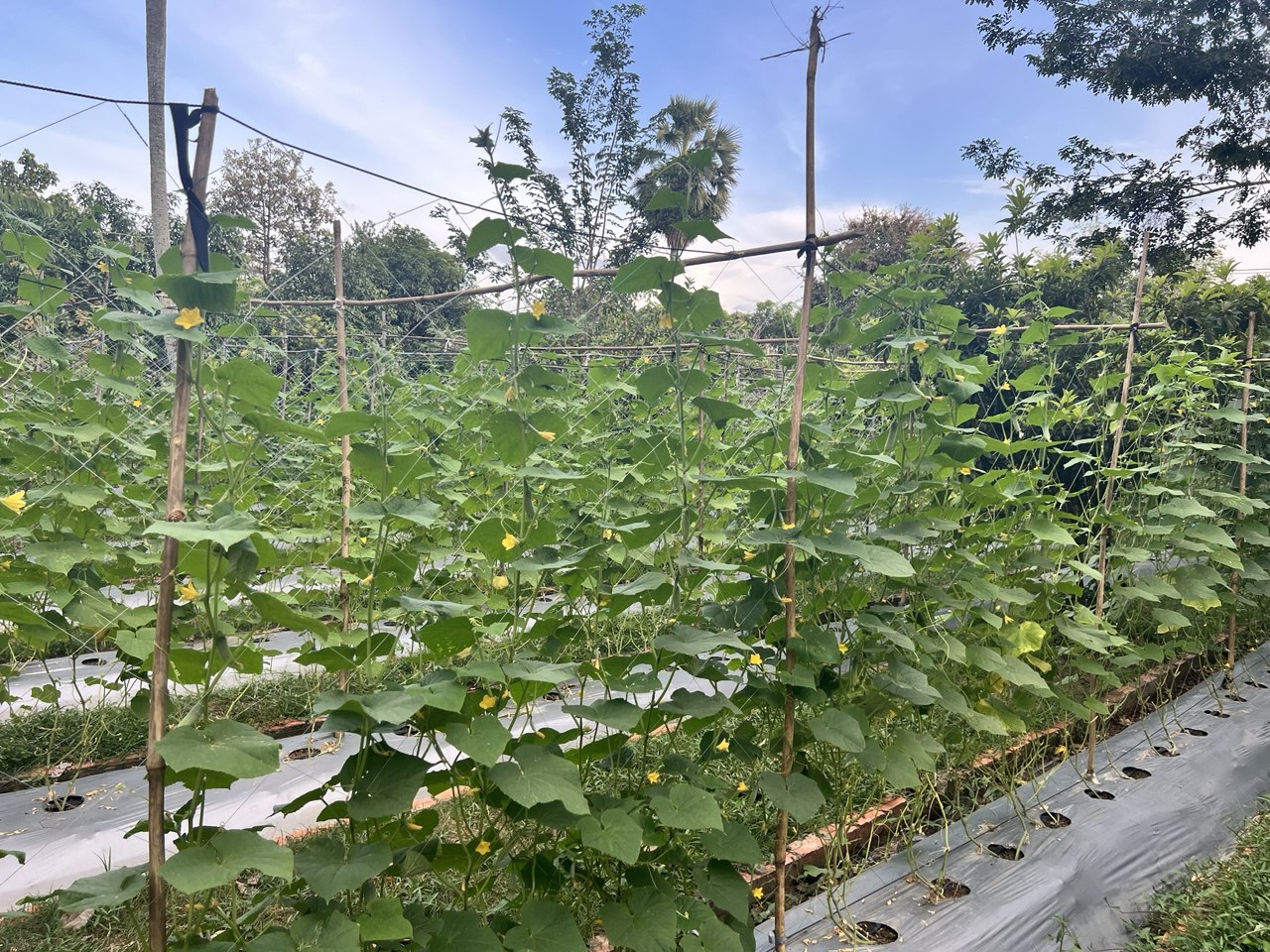
Currently, around five hectares of farmland has been bought and divided into different blocks that have been kept for future development such as a stretch of canal digging, a shack construction, a vegetable garden, a fish pond, a rice paddy, a flower garden, a fruit tree plot, an animal shelter construction area, a playground, a lemon growing land, a coconut growing land and a trellis on which some kinds of vegetables like wax gourd, marrow, winged bean and other crops are grown. Up to now in this new farmland, some work has been done leading to the following achievements:
- There have been three water ponds which were dug over the last few years, and there has been a stretch of canal for about 130m in length and 12m in width.
- Around 20,000 fish fries of different species that were released in one of water ponds and two others have been kept for water lily growing.
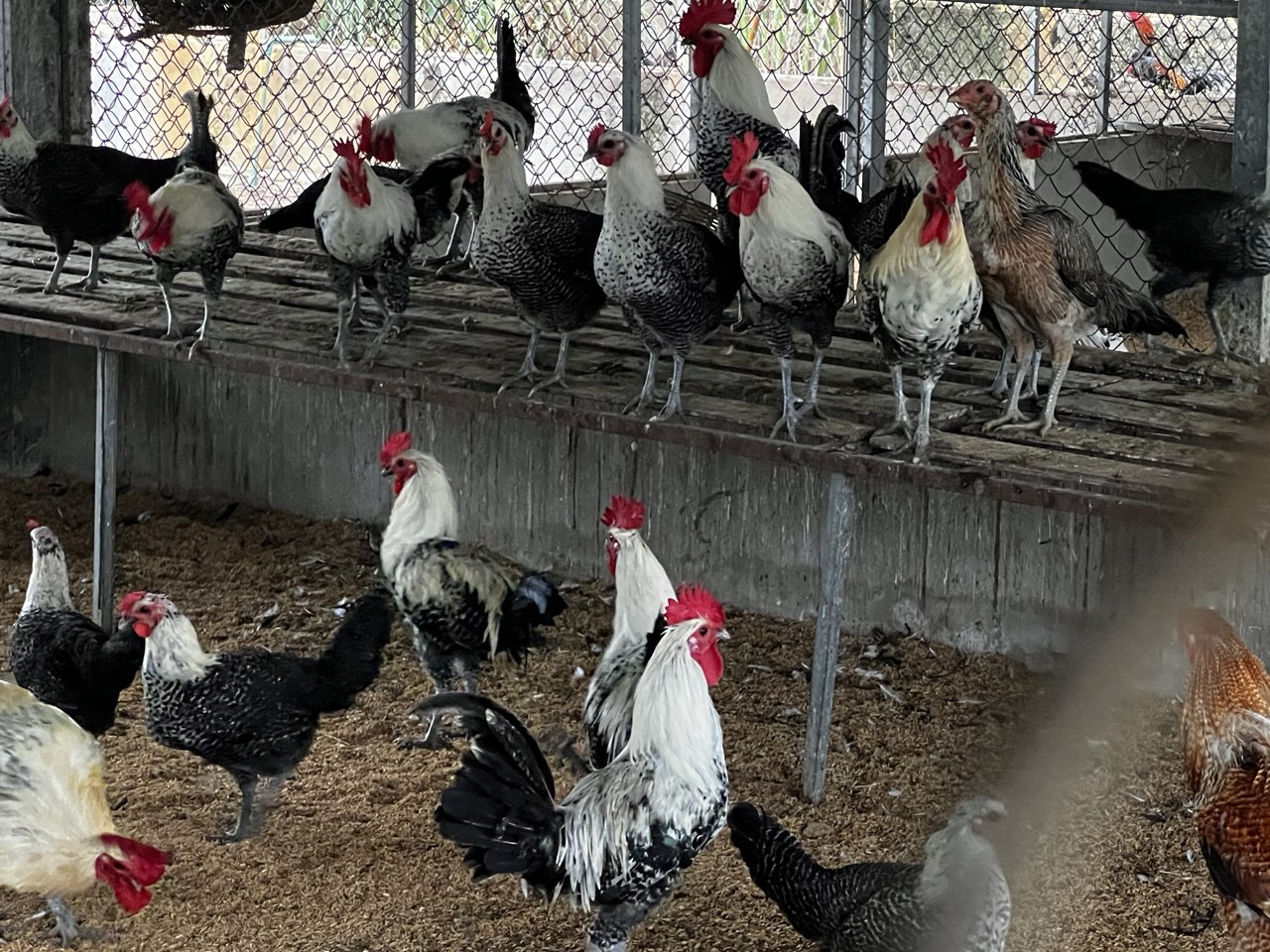
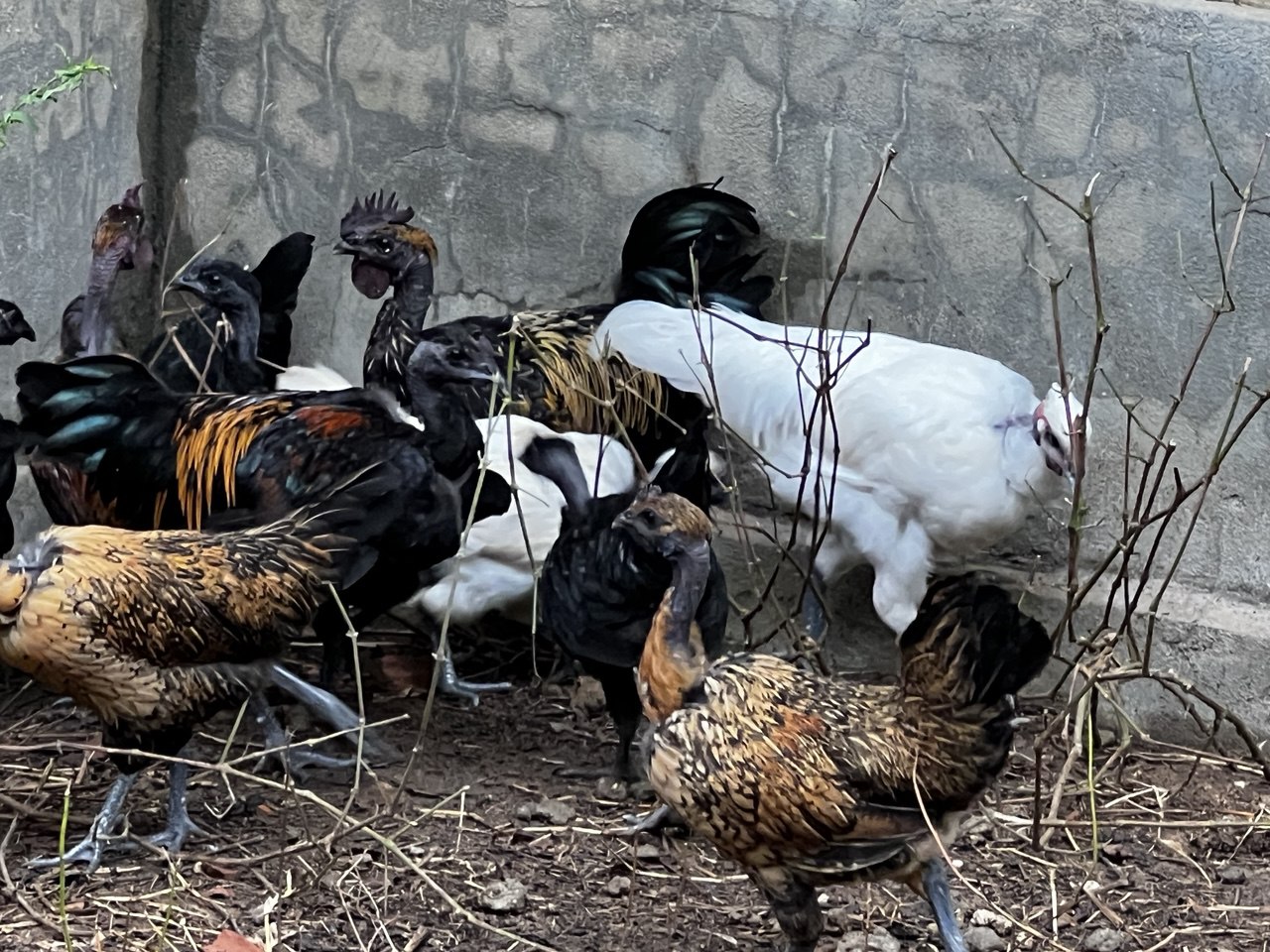
- A plot of 34m x 75m land was heightened on which three chicken shelters were built in which different kinds of unique animals were raised for show.
- A plot of land was kept as a vegetable garden on which some kinds of organic vegetables were grown.
- More than one hectare of farmland has been set aside for rice cultivation in both dry and rainy seasons.
- Two roads used for travel and transportation and a small farmhouse for community development staff was constructed in the farm.
- The roads around the water pond were constructed so that it would be easy for travel and transportation.
- Various types of fruit trees that were planted in concrete culverts have grown big and most of them could gradually bear fruit.
- One concrete ware house in which materials and equipment were kept and one vegetable seed nursery shelter under which vegetable seeds were grown were built.
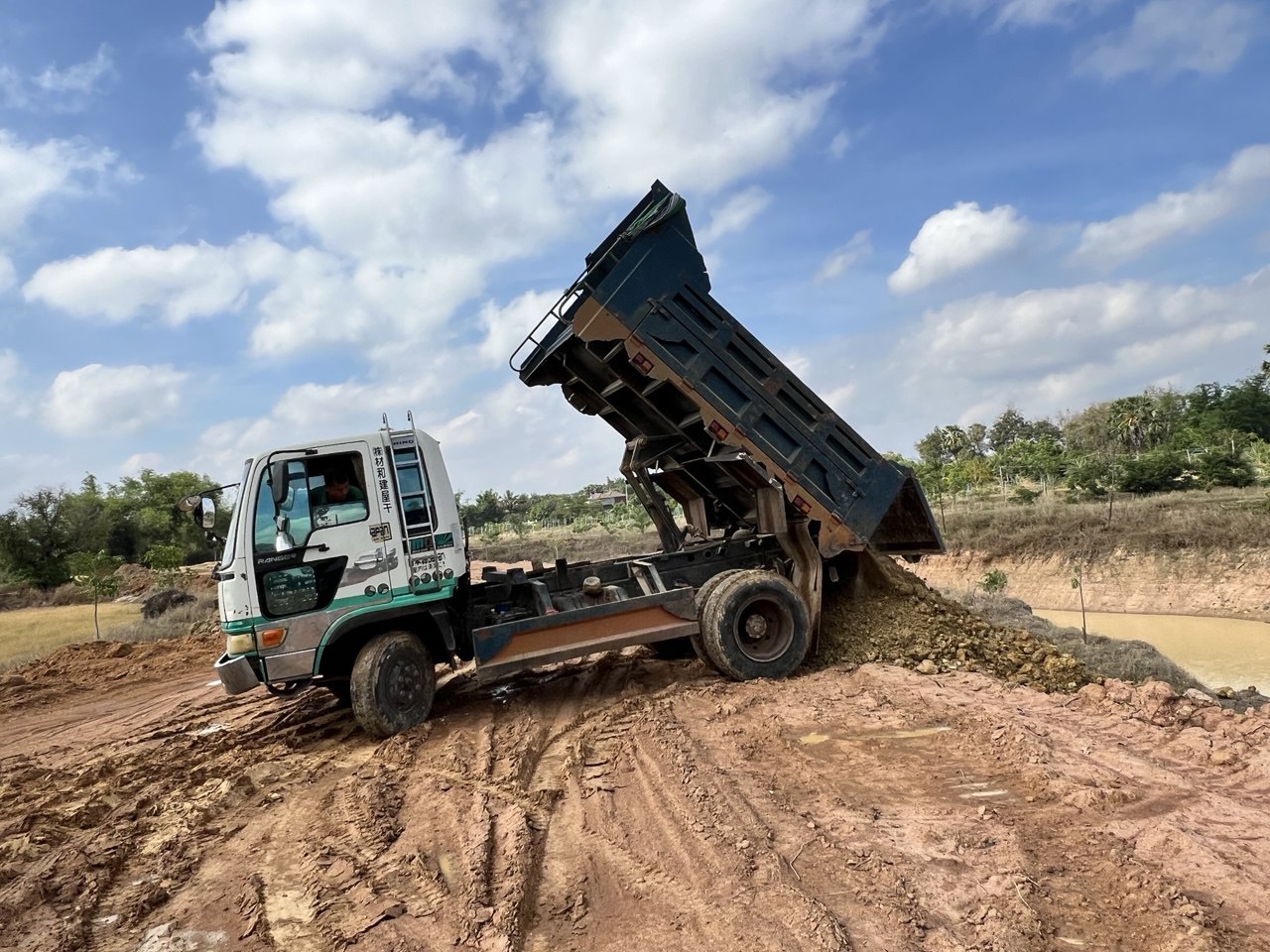
- A small plot of land in front of and around a fish pond was heightened with excavated soil to be prepared for future restaurant and cottage construction.
- A plot of land was prepared for flower garden. It was filled with excavated soil, and eco-bricks were laid to make the flower beds in which many kinds of flowers would be grown.
- One compost production site near chicken shelters was constructed, and it was used to produce natural compost.
- Electric and water systems were organized for irrigation and one underground well was dug to get water for daily use in the farm as well.
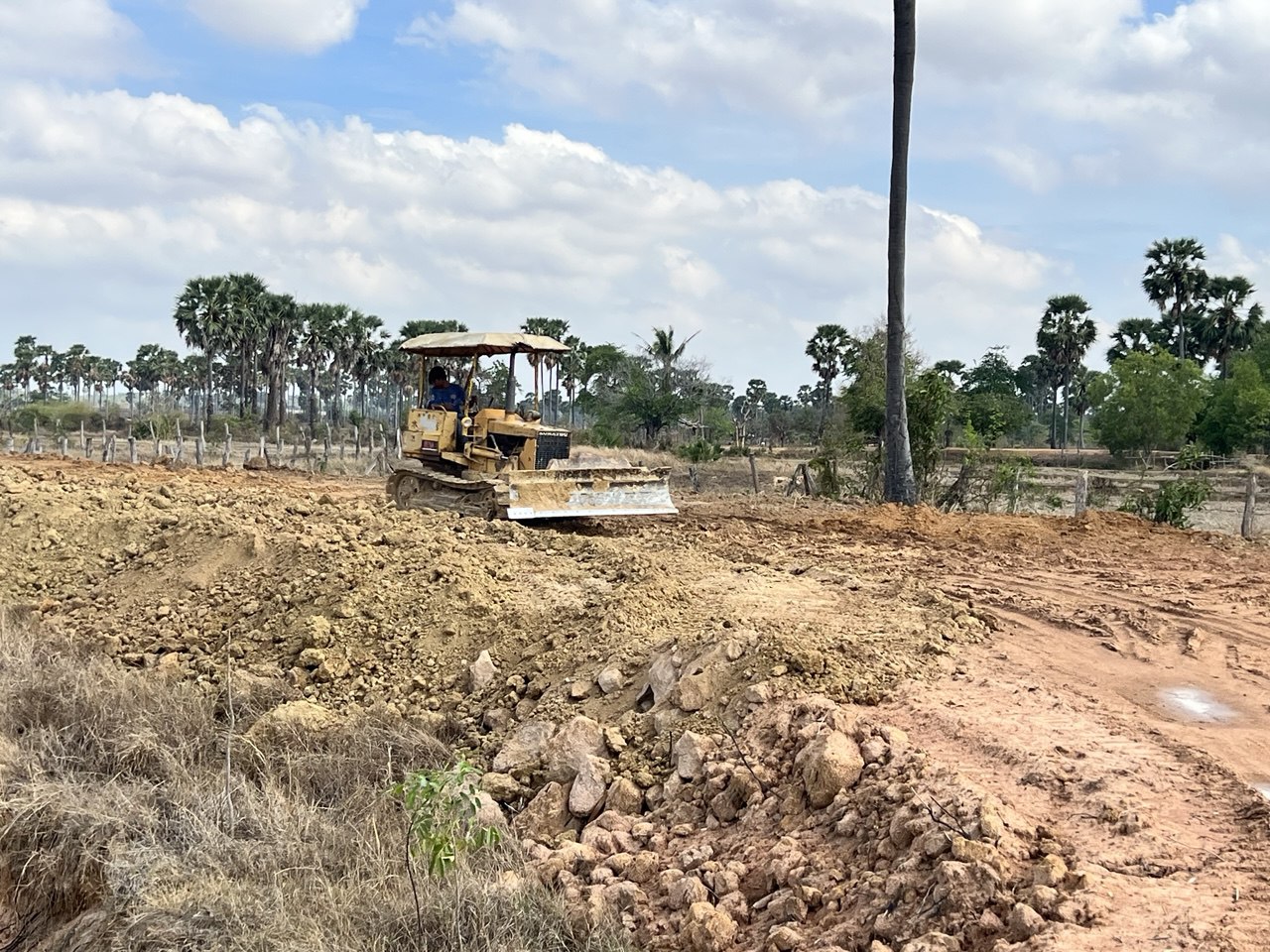
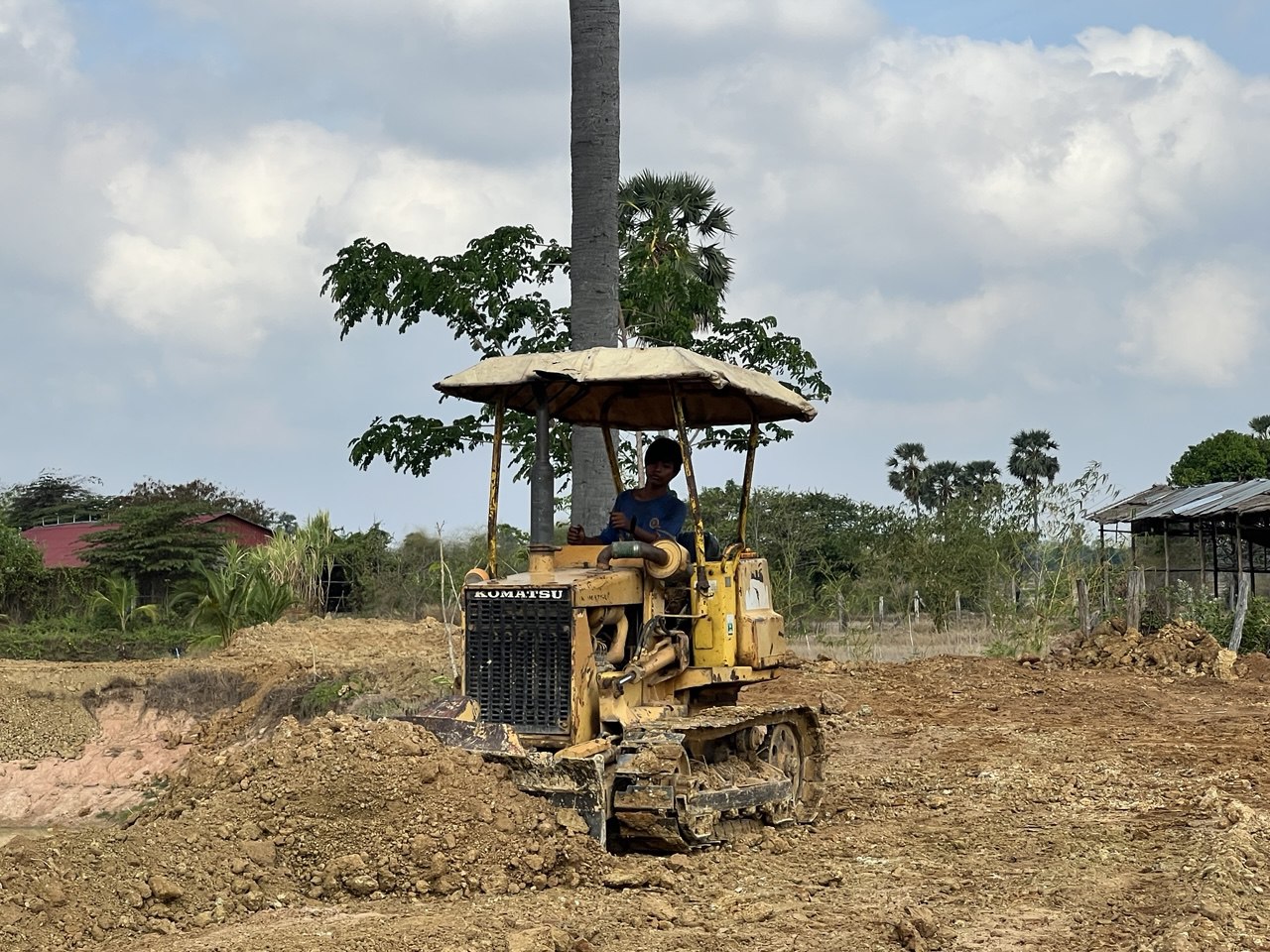
- Around two hectares of farmland was filled highly with excavated soil; it was made a bit higher to avoid the rain flood.
- A stretch of bridge was constructed across the middle of water pond where tourists can stand on to feed fish for fun.
- Because the existing vegetable garden site was lower, it was also filled up highly with excavated soil to avoid flooding.
- Two metal water tanks were installed to store water to irrigate the vegetable garden, fruit and forest trees.
- Around a thousand forest trees were grown on the water pond site and along the road towards the Child Care Center.
- A stretch of E-co brick fence with 175m in length was built to prevent the animals of villagers from entering the farmland.
- Four stretches of dirt roads were constructed on which guests can travel more easily and to improve the views of the area.
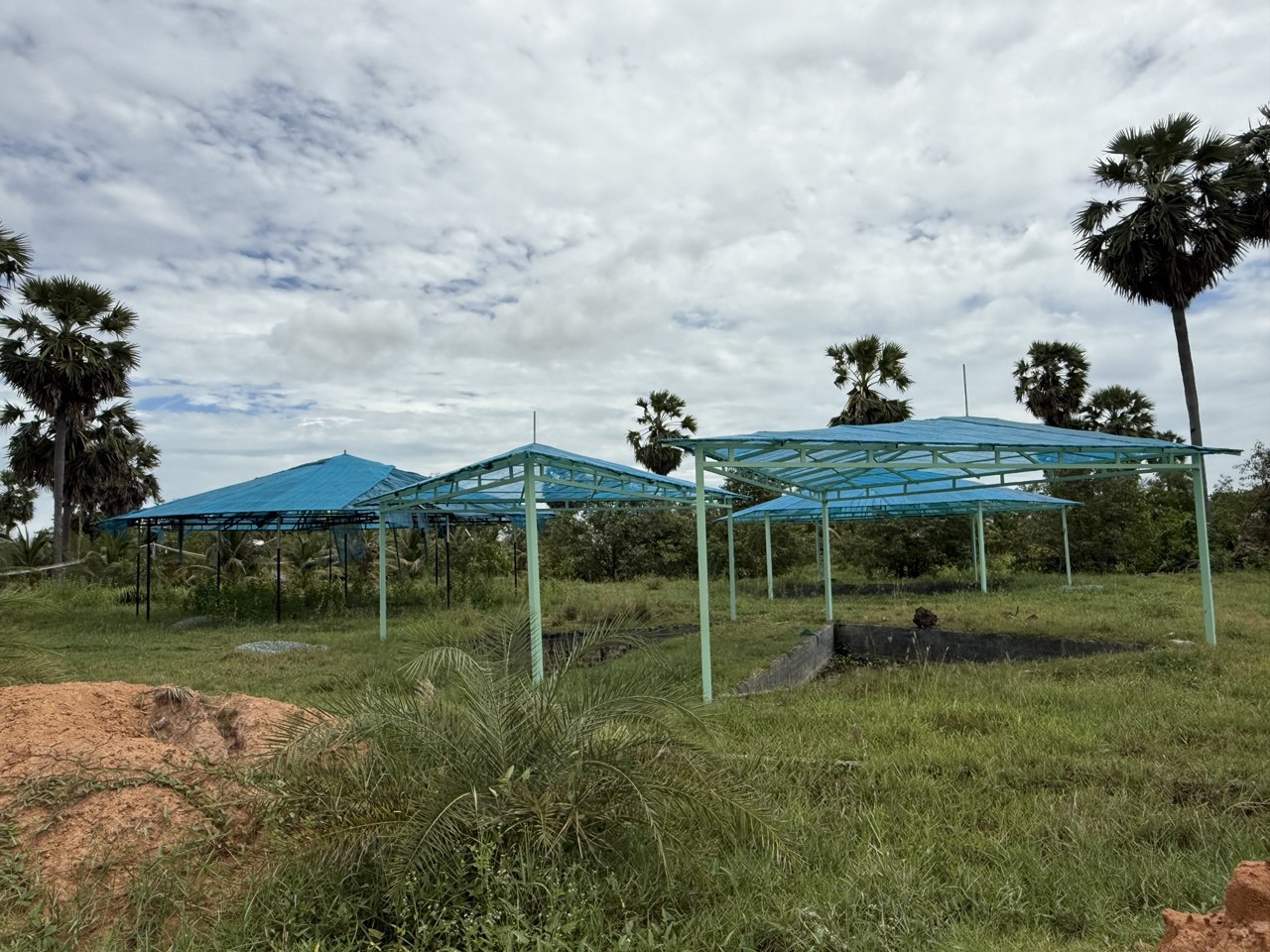
- Two metal shelters under which both vegetables and flowers would be grown have already been set up.
Target group
The group of people who are going to take benefit from the project are as follows:
- Community children staying all day in the Child Care Center.
Aims of the Project (long-term non-material and spiritual goals)
- To contribute to sustainable development in the areas of agriculture towards the improvement of livelihood.
Aims of the Project (concrete, measurable short-term objectives)
Objectives are concrete descriptions of ways or actions done in a short term in order to reach the final goal
- To increase the non-chemical, self-farming production to meet a good quality food supply demand for community children leading to the reduction of much expenditure and bad impact on their health and welfare.
Projected measures and activities (actions)
In this 2024, Khmer Association for Development (KAD) is going to carry on with the implementation of some farming activities aiming at increasing the non-chemical, self-farming production to meet a good quality food supply demand for community children leading to the reduction of much expenditure and bad impact on their health and welfare. In order to attain its objectives and goal, Khmer Association for Development (KAD) will execute some activities as follows:
- Maintaining the already-grown or remaining crops, fruit trees and forest trees. If all remaining crops, fruit and forest trees were not well-tended, they would die. A group of 4 people were employed to take good care of all crops, trees or flowers that were planted in the past years. The maintenance activities will include watering, enriching the soil, adding some more natural fertilizers, clearing the areas of weeds, long grasses and bushes and trimming long branches of trees and crops.
- Keeping on growing forest trees and fruit trees or other crops. Due to a large farmland, many more trees of different types need to be planted. In addition, the trees that were dead would be replaced with new ones.
- Purchasing plastic water tube or pipe for irrigation system that is considered to be the most important in the farm. Wherever there is a vegetable or crop farm, the irrigation system will be needed, so lots of plastic water tubes will be purchased. For the next step, the irrigation system will be put in vegetable beds, flower garden, forest tree and animal farm.
- Carrying on producing compost and improving the vegetable farm. Growing vegetables, crops and trees desperately needs natural compost to foster a quick growth, so the compost production will be made from local raw materials such as cow dung, chaff, chicken farm and kitchen waste, bran, tree leaves, etc.
- Continuing to grow many kinds of vegetables, to raise animals, to produce animal feeds and to improve the vegetable and flower gardens in the farm. The vegetable beds will be improved by building them up to avoid the rain flood and to feed them with some more natural compost. Many kinds of vegetables will be grown and some more animals, especially chickens will be raised, so the costs of vegetables and meat bought from the market will be reduced. Local raw materials such as bran, plant leaves, vegetable, shell, snail, etc. will be used to make animal feeds. Our homegrown vegetables and chicken in our farm will be used to cook daily meals for children who stay all day in the Child Care Center.
- Visiting other resorts or agricultural farms to get some more experience. In order to improve our farm resort that can draw the attention of visitors, other resorts with similar concepts will be visited to get something new to develop ours.
- Carrying on filling up the lower areas and street alongside the canal with excavated soil. There are some more lower areas that haven’t been heightened yet, so for the next step of infrastructure development, local machineries will be hired to work in the farm, and excavated soil would be bought from them to make those areas get higher that would be much easier to develop things.
- Carrying on filling up the dirt streets with granite. Last year. Lots of granite was purchased to cover the remaining dirt streets, but it wasn’t enough, so this year, some more granite will be needed to improve the condition of the streets, especially, it would be much easier for transportation and travel.
- Preparing new vegetable garden and vegetable beds including making roofs to cover the vegetable beds. Many kinds of vegetables are going to be grown in a new vegetable garden set up by making more vegetable beds and shelter with roofs covered over the vegetable beds.
Expected project results/Output
The project results are anticipated as follows:
- Four blocks of the already-grown or remaining crops, fruit trees and forest trees would be continuously maintained.
- For the next step of development, 1000 more forest and fruit trees would be planned to be planted in the farm.
- All blocks in the farm would be covered with plastic water tubes that constitute the most important irrigation system in the farm.
- 2,000kg natural compost made from local raw materials would be used to grow all types of crops, vegetables and trees.
- Two areas would be kept to grow many kinds of vegetables; around 1,000 heads of animals including turkey, goose, local chicken, Korea wild chicken, Greece wild chicken, Egyptian wild chicken, rabbit, hedgehog, etc. and one set of animal feeding machine would be used to produce animal feeds.
- Four other resorts in Cambodia would be visited to get some more experience to develop our site.
- Two remaining areas, the one next to the street and one another along the canal that haven’t filled up with excavated soil would be heightened.
- A stretch of 255m dirt street in length along the canal and across the rice field would be covered with granite.
- Two more shelters will be built to cover the new vegetable garden and beds.
Expected project outcome
The expected project outcome would be as follows:
- Due to attentive maintenance, the already-grown or remaining crops, fruit trees and forest trees would be prevented from withering and dying, and they would be expected to be well-grown.
- Young generation of community children would be acquainted with unique forest trees, and they would be attractive and good-looking.
- When irrigation system created, the farm will have enough water used to make all types of vegetables, crops and trees grow well that increase the amount of annual harvest.
- The expenditure on the purchase of natural compost would be reduced, and it is expected that the annual harvest would be increased.
- There will be sufficient vegetables and meat that can supply the kitchen to cook daily meals for community children, and the money spent on the purchase of vegetables and meat from the markets would be trimmed.
- Children’s health and welfare will be improved because all farm produce will be
- The money spent on the purchase of animal feeds would be scaled down, and there will be enough feeds to fatten the animals.
- Through several visits to other resorts, it is expected that ours will be developed and can be operated soon.