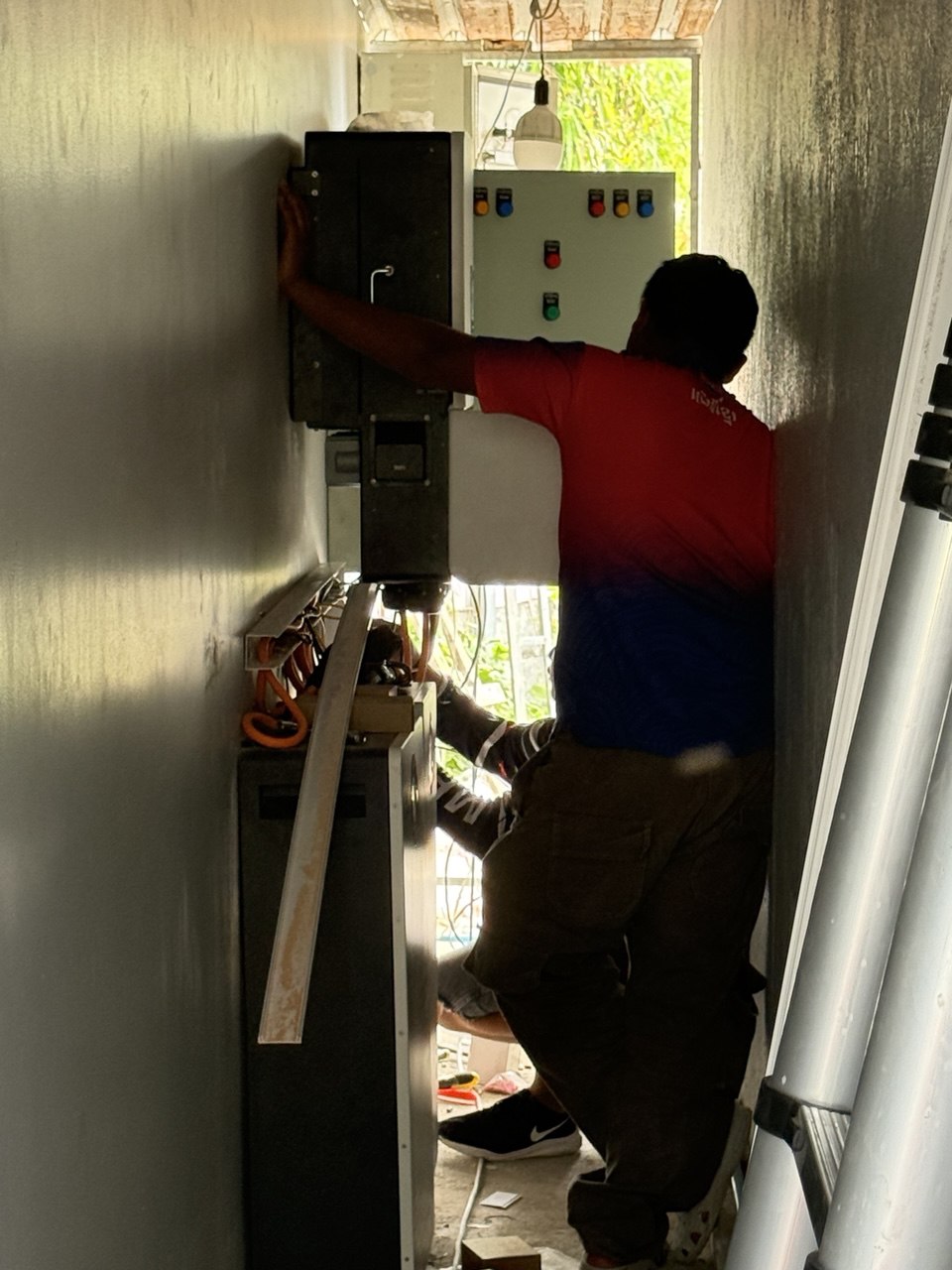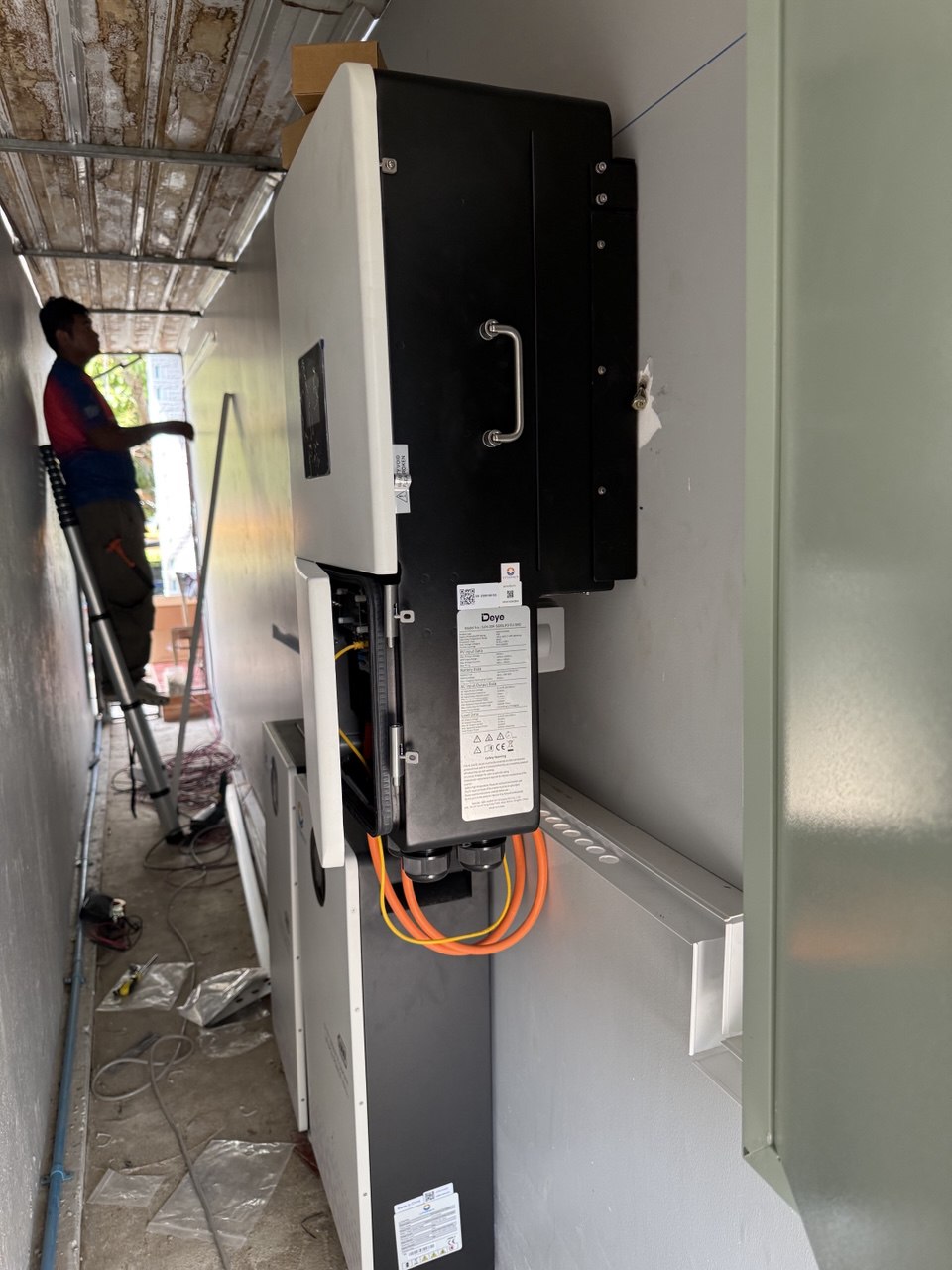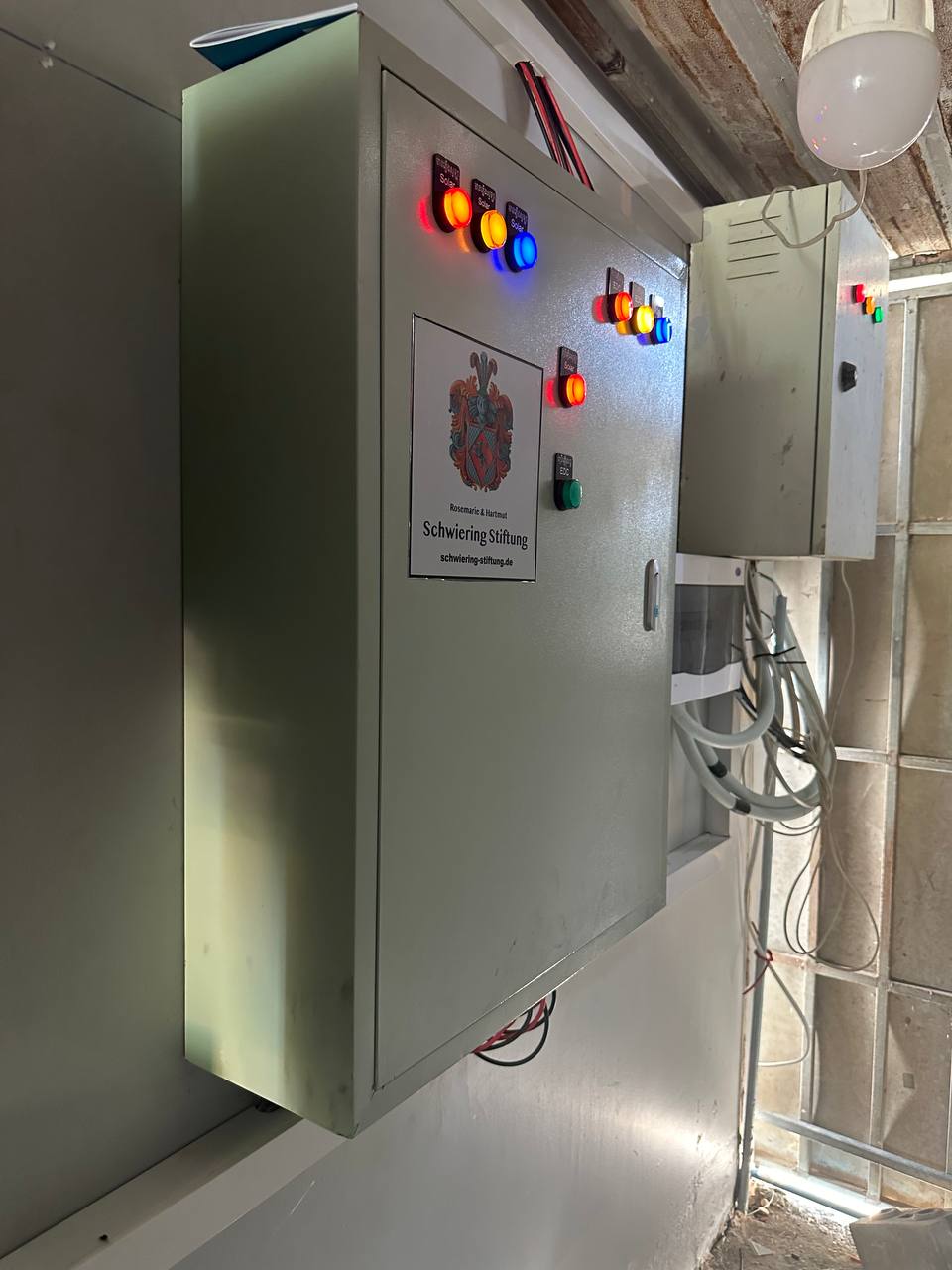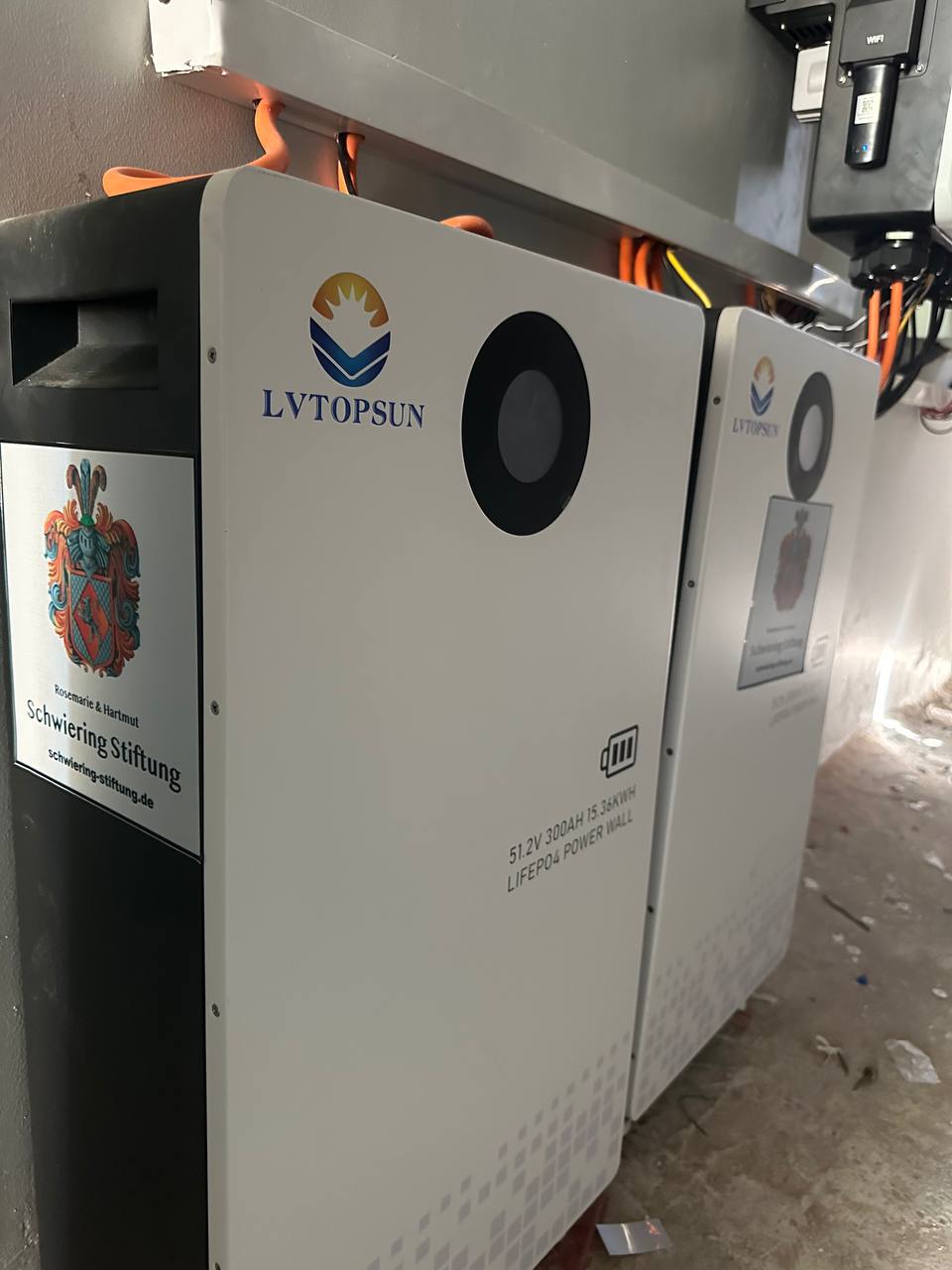
In rural and remote areas of Cambodia, water and electric power are the largest problems faced by people. They don’t have clear water and sufficient electricity for daily uses. Some villages could be supplied with electricity, but not enough and expensive. As evidenced, for the time-being, Khmer Association for Development (KAD) is using the private company-supplied electricity that has been connected for more than 10 years. It spends around 4,000,000 riels (about USD1,000) per month that are thought to be too much and a very heavy burden for us to make money to pay for monthly use of electric power. In addition, electricity is cut off very often, especially it occurred at work that always disrupted everything.
As mentioned above, the project is indispensable that will exact the implementation as soon as possible, otherwise there will be frequent disturbance to the process of our work and development and there will be serious disadvantages to the interest of community children.
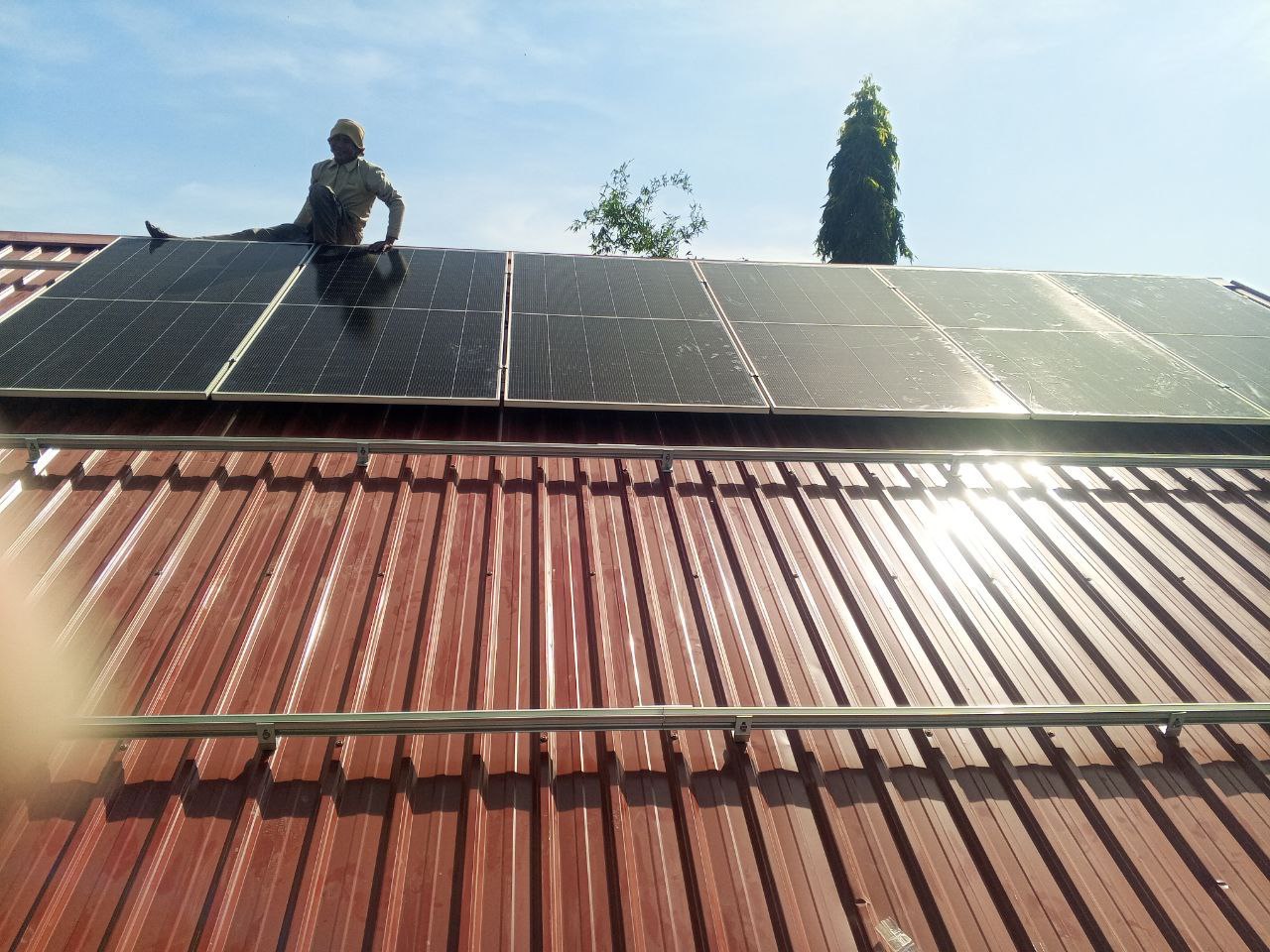
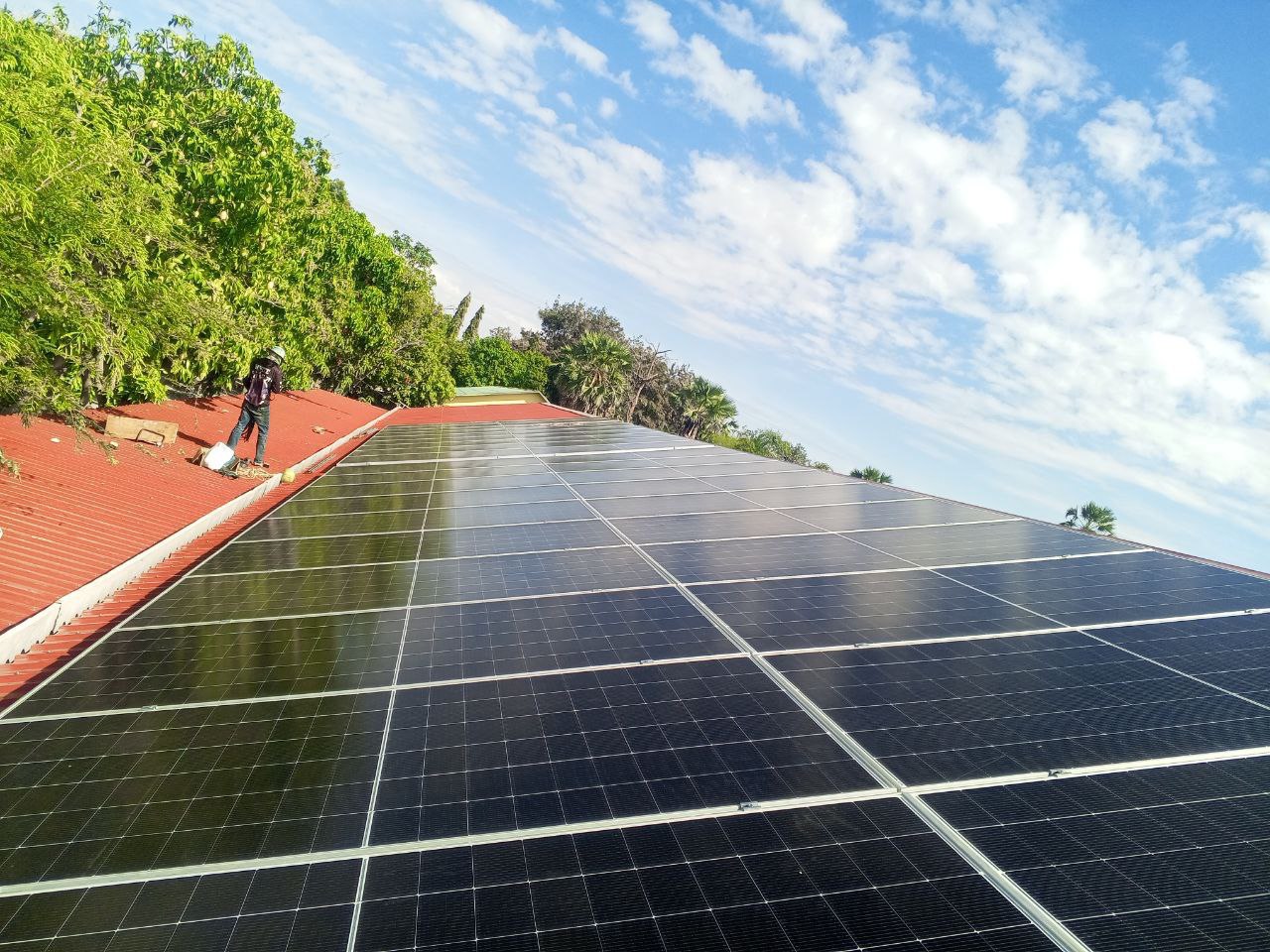
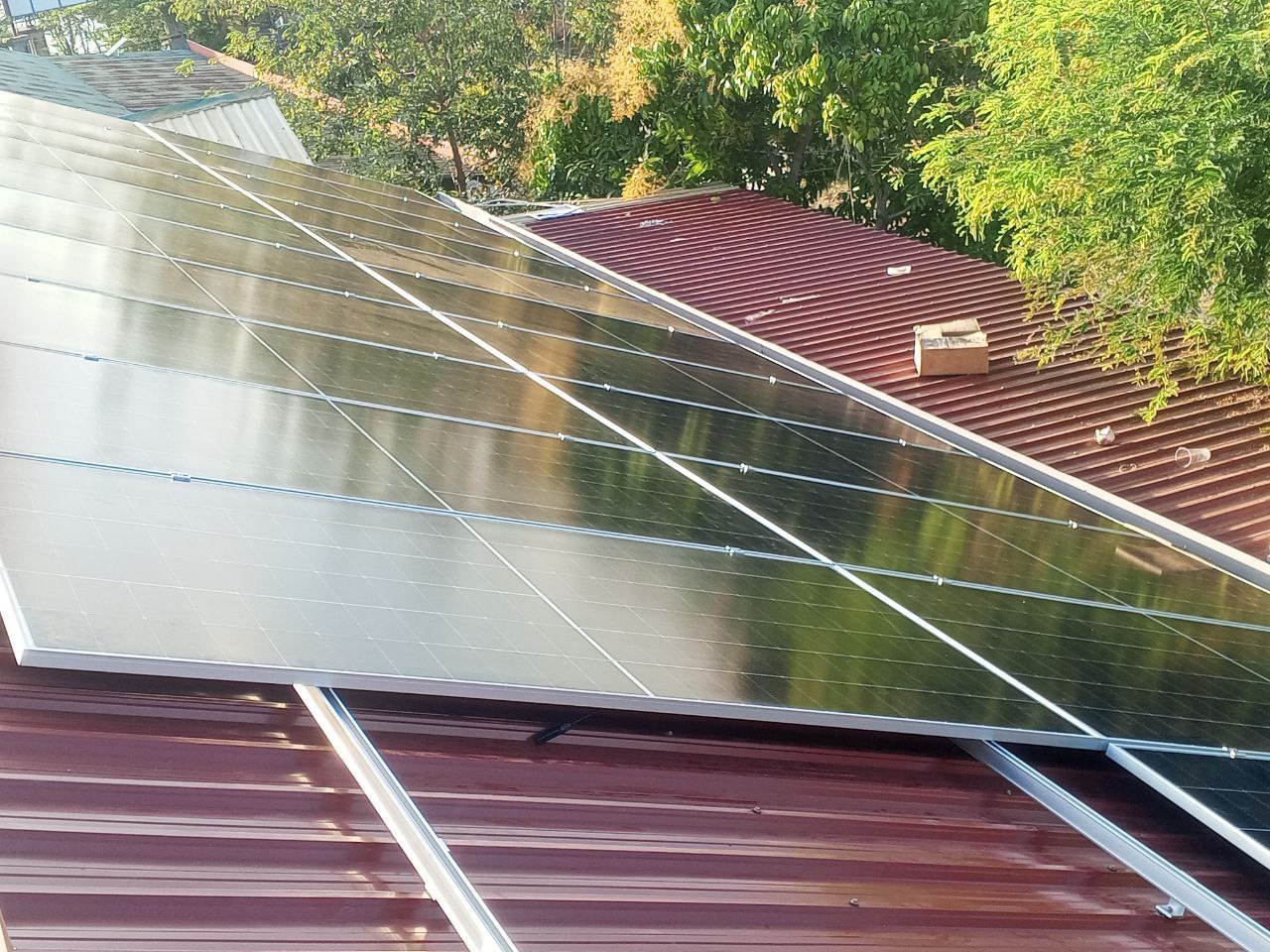
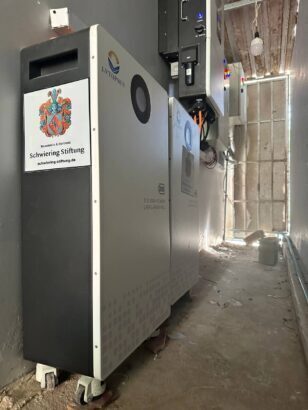
With the great support from the Rosemarie & Hartmut Schwiering Stiftung that enabled Khmer Association for Development to carry out the project towards the reduction of payment for monthly uses of electric power, so in order to achieve its objective and goal, the solar energy installation activity has been implemented using the following items:
Current achievements:
Outcomes of the project:
Effects of the project on the beneficiaries and communities: With sufficient electricity, the provision of all priority services to the beneficiaries and communities has gone smoothly.
Degree of attainment of the original project goal: The project activities have, up to now, been implemented up to 100% because all activities in the project plans have been done that have achieved the project objective and goal. In addition, other activities that were not included into the project plans were also carried out.
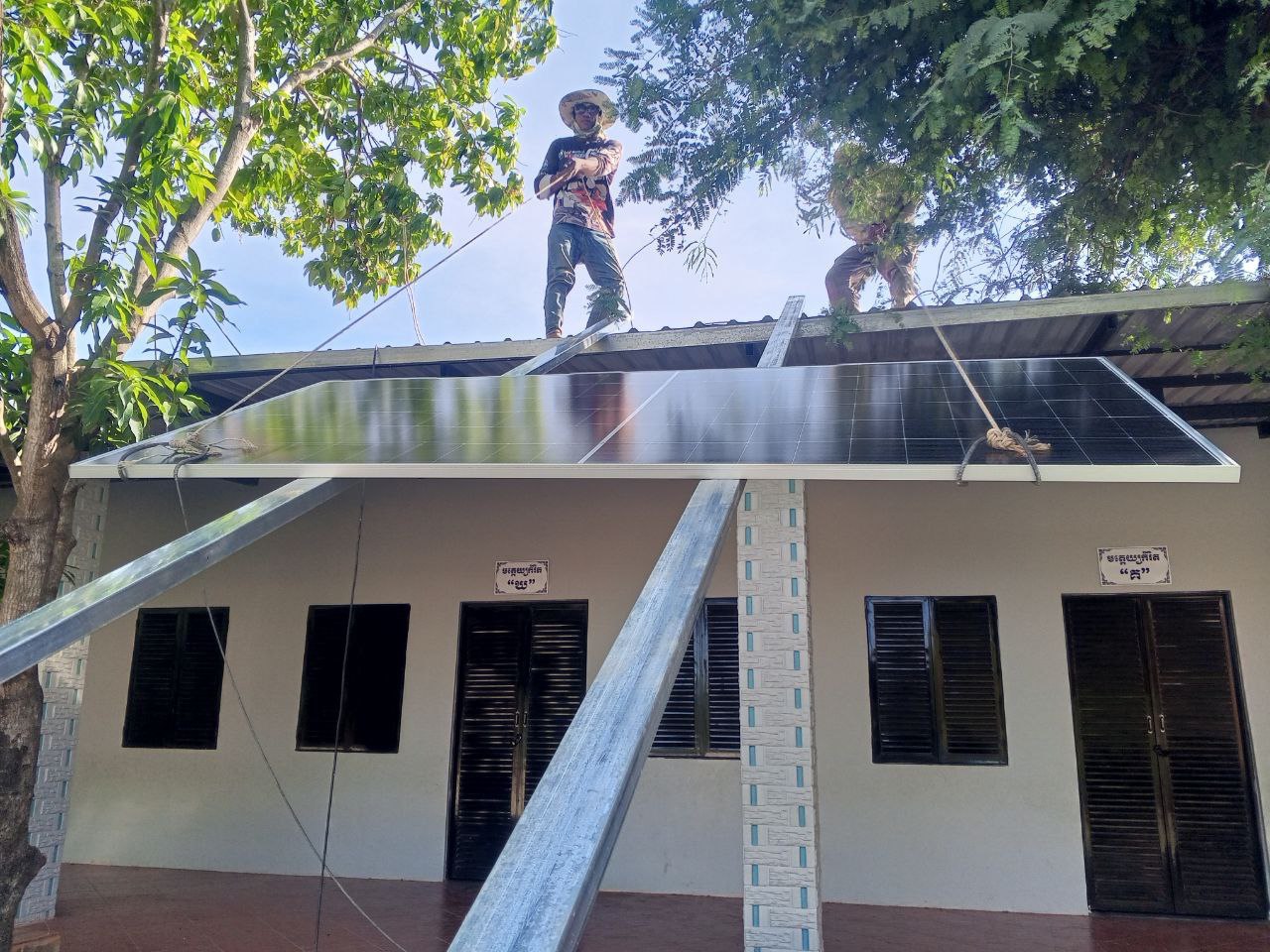
Difficulties in carrying out the project It was very hard to carry the pieces of heavy solar panels up to the building roofs
Solutions to Challenges: Many people were required to help push the heavy solar panels up to the top of the building roof.
Prospects and implementation schedule of the project until the end of the grant period after this report: KAD implemented the project as planned in project planning schedule. The activity implementation was strengthened and improved. The challenges were solved immediately. The activity implementation monitoring was done with great attention.
KAD’s future plans: Seeing that this project has helped cut down on the expenditure on the uses of electric power, Khmer Association for Development (KAD) is going to make the same project plans carried out in this new year of 2026 that will produce solar energy for the learning buildings.